
Fulling Mill is widely recognized as a global leader in the manufacture of premium quality fishing flies and fly tying materials. With a heritage that dates back to the 1930s it has slowly but surely built a brand on the foundations of quality, value and service.
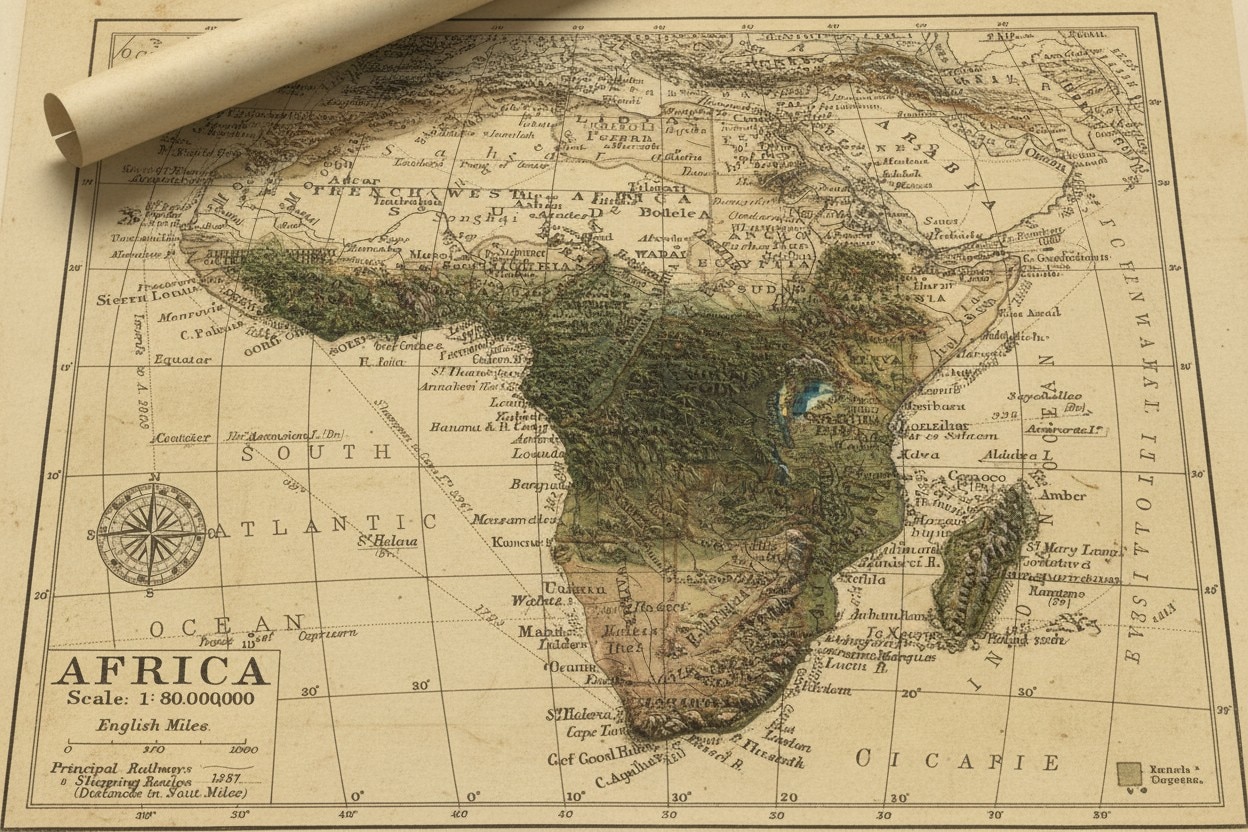
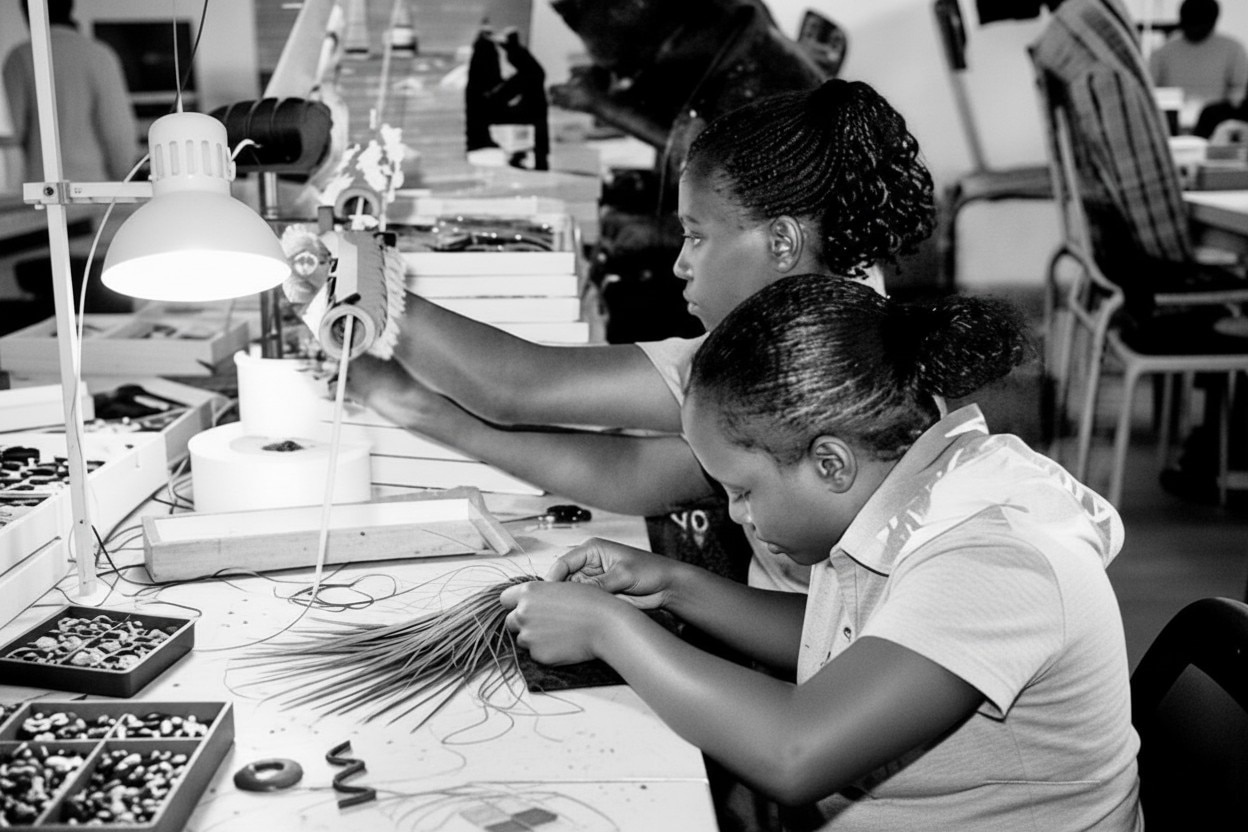
Fulling Mill USA is headquartered in Claremont, New Hampshire. All our US orders are fulfilled from this location. Every single one of our flies and most of our fly tying materials are manufactured in-house in our purpose built production facility in Kericho, Kenya, East Africa. With complete oversight of our supply chain we have total control on both quality and inventory. This ensures we can serve you to the highest industry standards. If you are interested in learning more about how Fulling Mill arrived at where it is today, have a read through our history timeline below.

From humble beginnings in Kenya to its position today as a global leader in fly fishing, Fulling Mill’s story is one of resilience, innovation, and an unwavering passion in the pursuit of excellence in the art of fly fishing.
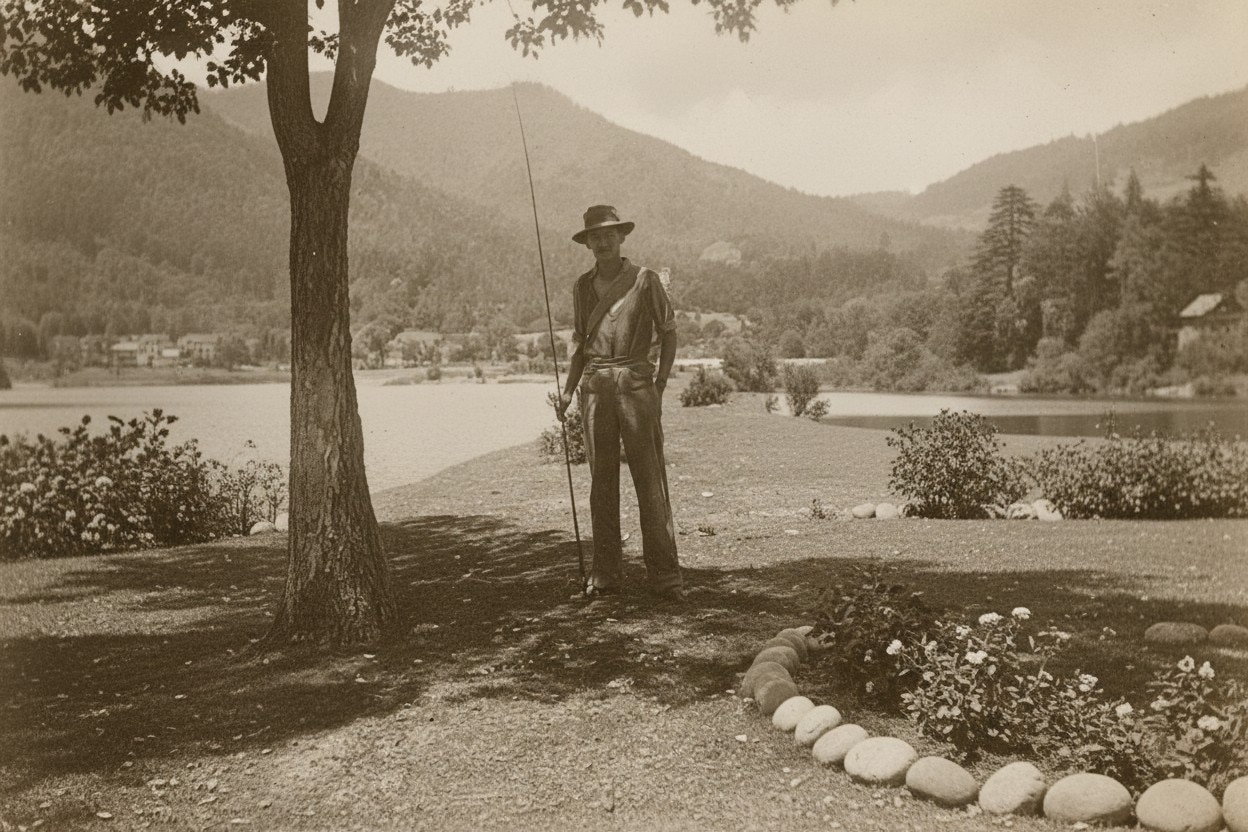
Fulling Mill can trace its roots back to Kenya in the early 1930s. The business was started by Dennis Whetham who moved to Kenya with his parents to convalesce after breaking his back playing rugby as a schoolboy at Wellington College, England in the 1920s. While confined to a wheelchair Dennis furthered his passion for fly fishing in the only way that he could: by tying flies. In time he trained up a small team to help him deliver an ever-expanding order book with demand from enthusiastic Kenyan anglers. The seed of Fulling Mill had been planted.
The mid part of the 20th century saw global upheaval with World War II and, specific to Kenya, the Mau Mau uprising that ran through the 1950s. Despite such vicissitudes including Dennis joining the army (where he rose to the rank of Lt. Colonel), the fly-tying operation was held together by Bobbie, Dennis’ wife. She deserves much of the credit in these formative years. As things settled down through the 1960s, the business flourished and it evolved into a serious commercial operation employing around 30 fly tyers and exporting to over 20 countries.
In 1969 and approaching retirement, Dennis took the decision to sell the business to Brook Bond, a Kenyan tea producer. It was renamed “Kenyan Fishing Flies”. Dennis took on the role of Marketing Director at the new business. However, this was short lived, and, under new ownership the business struggled with labour issues that eventually sank it into bankruptcy.
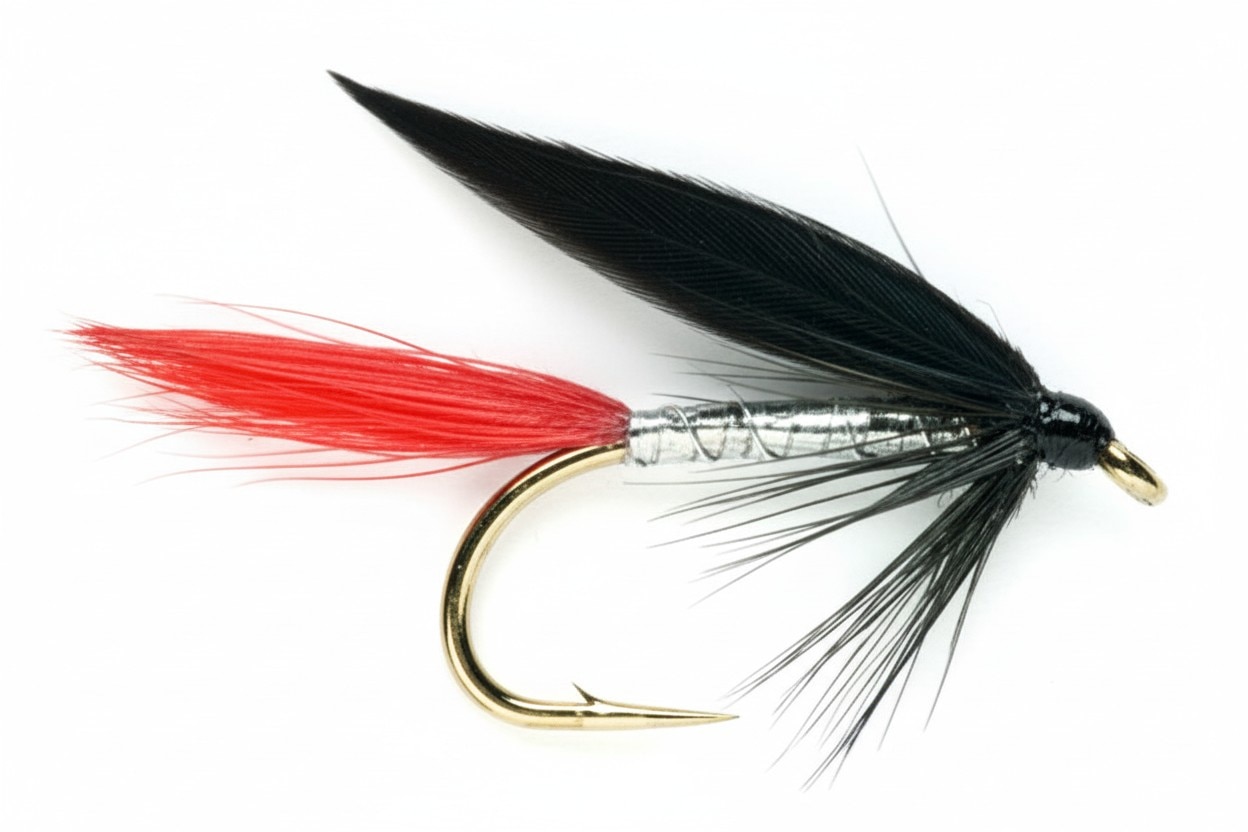
At this point Andy Unwin enters the story. Andy was a soldier who had been evacuated from Dunkirk at the start of World War II before being posted to India. It was here that his passion for fishing flourished. While on leave in the mountains of Kashmir he recalls tying a “Butchers” fly made of black crow feathers (he had shot the crow himself), cigarette foil, red sock thread and an old rusty hook. The black & red livery of this fly provides Fulling Mill with its distinctive brand colors as we know them today.
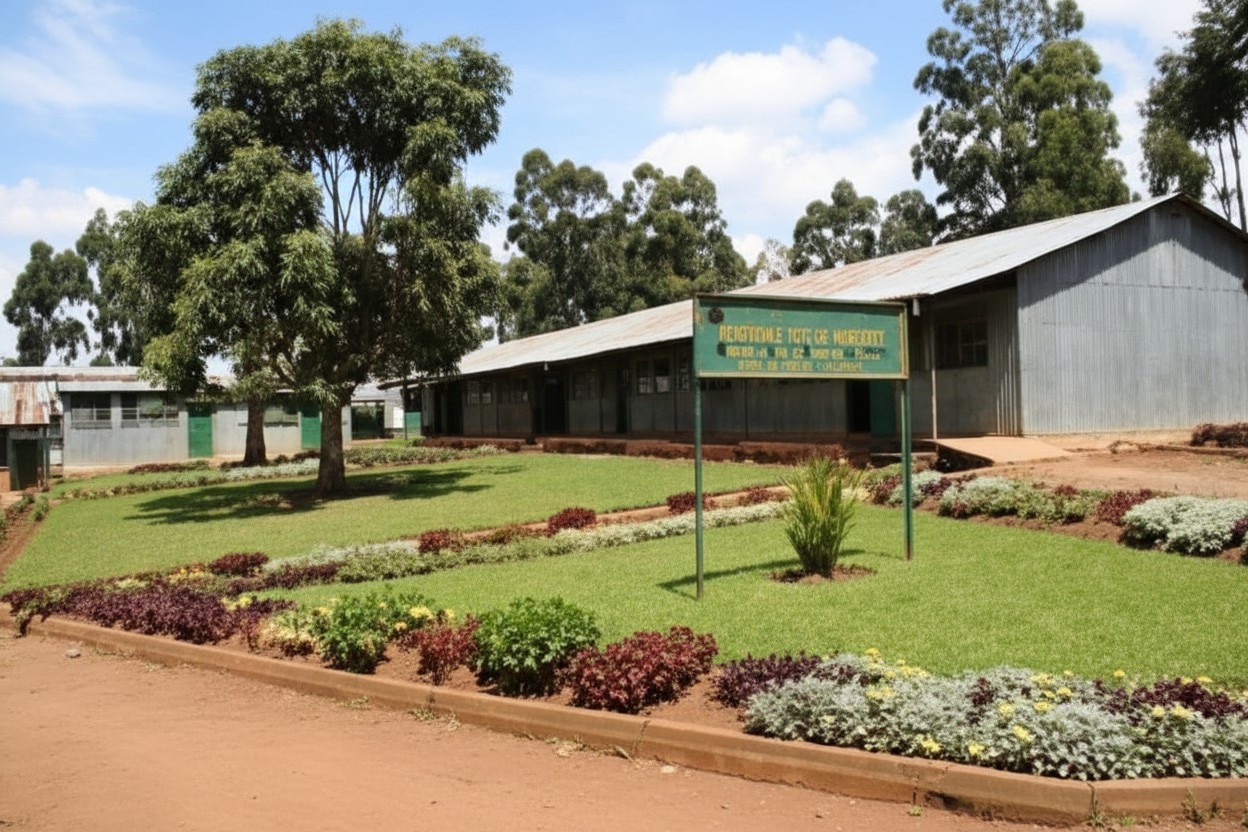
After India, Andy was stationed in Kenya and this is where he met Dennis. After retiring from the Army and with Dennis’s assistance, Andy hatched a plan to salvage Kenya Fishing Flies from bankruptcy. This was duly accomplished: the best fly tyers were retained and operations were setup in an old aircraft hanger on a tea plantation at Nandi Hills in Western Kenya. From here the business once again flourished.
In 1980, Barry Unwin, Andy’s son, spotted an opportunity to distribute his father’s Kenyan made fishing flies to a wider market. To do this he incorporated Fulling Mill, based in the south of England and named after the eponymous beat on the River Itchen. By 1995 Fulling Mill had become successful enough for Barry to buy out the Kenyan operation from his father uniting production and distribution under the same ownership for the first time.
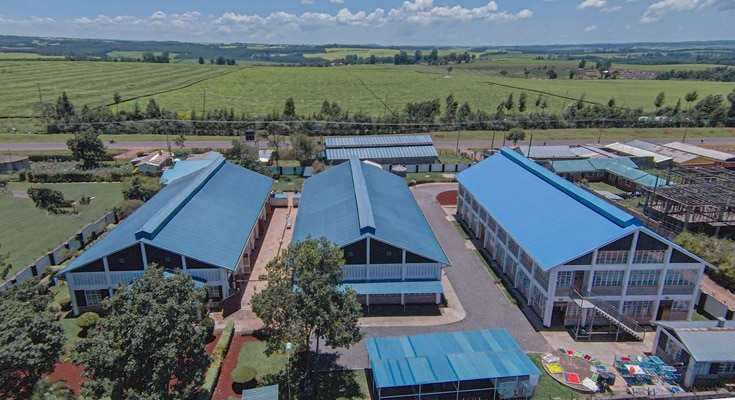
Having outgrown the Nandi Hills facility, in 2003 all operations were moved about 50 miles south-east to a purpose built, modern facility near the town of Kericho in the heart of Kenyan tea country. Since then this facility has expanded and evolved and today employs over 300 staff. The latest project, completed in 2025 has been the installation of solar power and the facility is now entirely energy self-sufficient.
In 2005, Fulling Mill USA was established with headquarters in Claremont, New Hampshire to supply Orvis with its own white label fly program. “The Barn” as it was affectionately known soon became a thriving hub of distribution serving Orvis retail shops and their customers all along the East Coast and beyond.
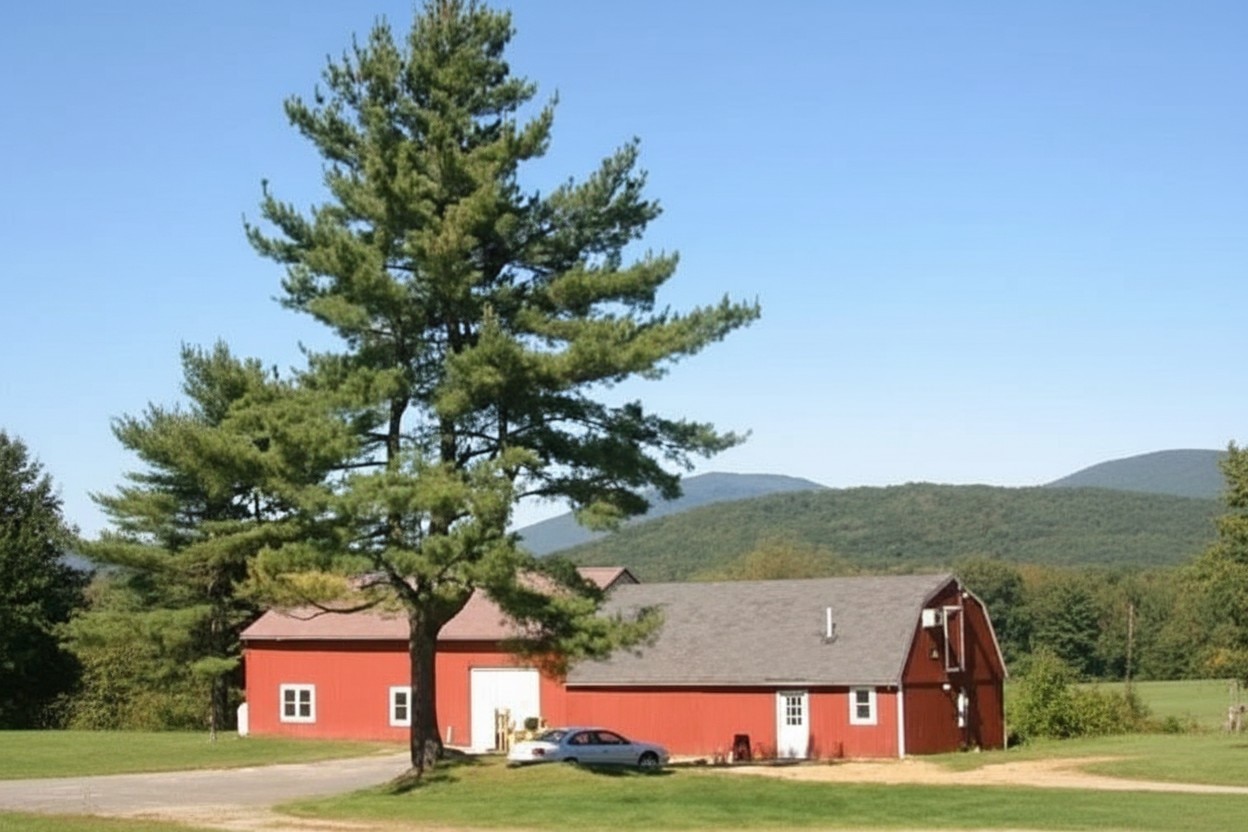
In 2013 Barry retired, selling the business to a small group of fishing enthusiasts committed to long term ownership and expanding the brand to a wider audience. In this pursuit, Fulling Mill began to build up a network of independent fly-fishing retailers spread across the USA. The product range was also diversified and the business expanded into fly tying materials. This seemed a natural path to follow given the deep rooted experience we already had sourcing, dying and preparing our own high quality supplies for use in production flies.
By the early 2020s the business had outgrown The Barn (now much extended) and needed a new larger home to accommodate a fast-expanding inventory and growing team. As luck would have it, new premises were found just down the road at 59 Old Church Road. Originally built as a school before being converted to offices, after some minor refurbishment we now have the ideal HQ for the next chapter of the Fulling Mill story.
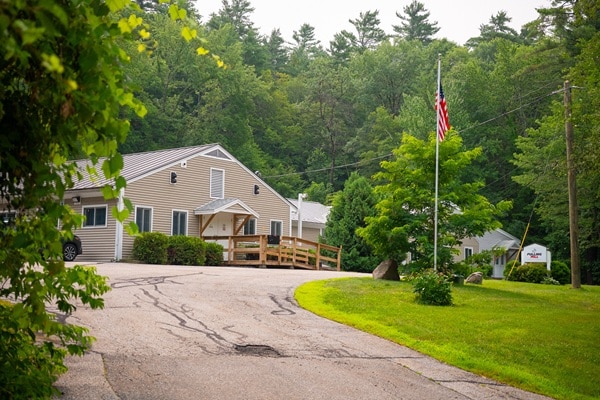
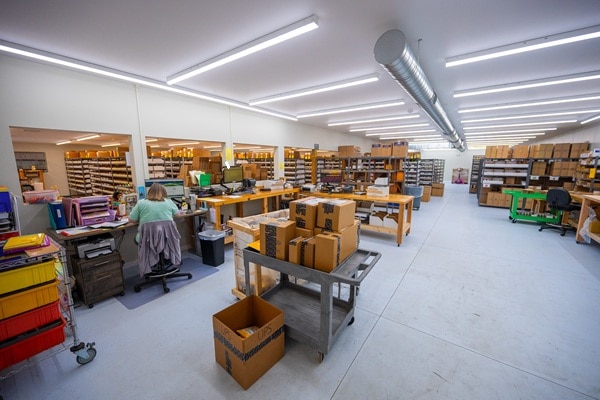
Today, from Claremont NH, Fulling Mill serves an independent US dealer network of over 500 stores. Our warehouse team sends out over 25,000 orders a year – that’s a lot of flies, beads, hooks and materials. What began as one man’s passion for tying flies has grown into a thriving business, united by a shared commitment to quality, craftsmanship and innovation, all in the pursuit of a great day out on the water.